
If your garden is currently looking like a sea of umbrellas, shade cloth, and plastic trays, you’re not alone. With the UK swinging through consecutive, intense heatwaves pushing temperatures well into the 30s bonsai artists up and down the country are in survival mode.
In a climate where we historically worried more about frost damage than heat stroke, these modern summers are reshaping how we care for our trees. When a tiny volume of soil is trapped inside a shallow ceramic pot, a 34°C day can push root temperatures into the danger zone within hours.
Here is your master plan for general hydration and heat management, followed by a breakdown of how to rescue your Japanese Maples, Pines, and Dawn Redwoods from the scorch.
Part 1: The General Heatwave Defence Plan
When the mercury spikes, your standard watering routine has to go out the window. It’s no longer about checking the soil once a day; it’s about micro-managing the tree's local environment.
1. The Core Hydration Rules
-
The Double-Watering Technique: Bone-dry, modern bonsai soil (like Akadama, pumice, and lava rock) becomes hydrophobic (water-repellent) when completely dry. If you water once, it simply drains down the inside of the pot without soaking the core. Water thoroughly once to break the surface tension, wait 5 minutes, and water deeply a second time.
-
Timing is Everything: Water heavily in the early morning before the sun hits the benches. If a tree is bone dry by 2 PM, do not let it suffer water it immediately, but try to flood the pot to cool down the roots rather than giving it a light sip.
-
Ditch the Overhead Misting Mid-Day: Misting leaves under full sun does not hydrate the tree. In fact, water droplets can act like tiny magnifying glasses, magnifying the sun's rays and scorching delicate foliage. Save the misting for after sunset to lower the ambient temperature.
2. Ambient Heat Management
-
Move Trees Off the Ground and Walls: Concrete patios and brick walls act as giant storage heaters. They radiate intense heat long after the sun goes down. Elevate your benches or move trees at least a meter away from brickwork.
-
The Temporary Tray Method: For desperate times, place your pots into shallow gravel trays filled with water. Crucial Caveat: Do not submerge the bottom of the pot directly in standing water for days on end, or you will rot the roots. Instead, let the pot sit on gravel just above the water line to create a humid microclimate, or only use shallow standing water for high-drainage, water-loving species.
Part 2: Species-Specific Emergency Care
Different trees have evolved to handle heat in completely different ways. What saves a pine could kill a maple.
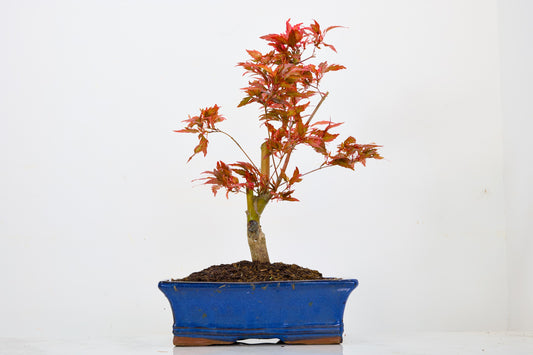
1. Japanese Maples (Acer palmatum)
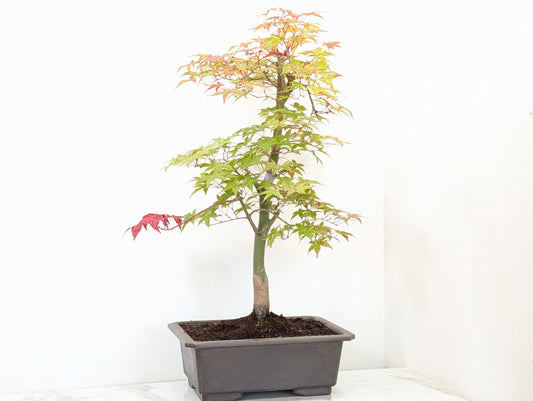
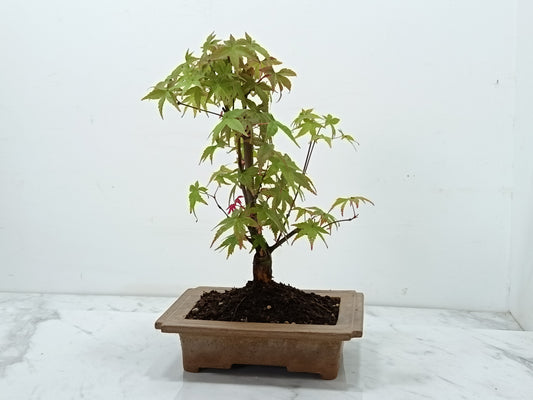
The Vulnerability: High. Maples have incredibly thin leaves and thin bark. They are built for mountain valleys with high humidity, not dry, blasting UK heatwaves.
[Intense Heat + Wind]
       │
       ▼
Leaves transpire faster than roots can pump water
       │
       ▼
Cell walls collapse ──► [Result: Crispy Leaf Scorch]
-
The Action Plan: 100% Shade. Move your maples under a shade cloth (50-70% UV reduction), under the canopy of a garden tree, or onto the north side of your house.
-
Watering Style: Keep the soil consistently damp but not waterlogged. If the leaves do scorch and turn crisp, do not panic and do not overwater. A leafless maple stops drinking water; if you keep flooding the pot, the roots will rot, killing the tree entirely.
2. Dawn Redwoods (Metasequoia glyptostroboides)
The Vulnerability: Very High (Water Drinkers). Dawn Redwoods are prehistoric swamp trees. They have an insatiable thirst and absolutely zero tolerance for a dry pot. If a Dawn Redwood dries out completely even once in this heat, the delicate, feathery needles will turn brown, brittle, and drop within 24 hours.
-
The Action Plan: This is the one major exception where you should use a water tray. During a heatwave, place the entire bonsai pot directly into a shallow tray filled with 1–2 cm of water.
-
Positioning: They love the sun, but in the current UK climate extremes, give them afternoon shade. Their roots need to stay cool, even if their tops are basking.
3. Japanese Black & White Pines (Pinus thunbergii / parviflora)
The Vulnerability: Medium (Root Cook Risk). Pines are tough. Their waxy, needle-like leaves are structurally designed to prevent water loss, meaning they can handle full sun and dry air much better than deciduous trees. However, their weakness is their root system—specifically the beneficial mycorrhiza fungus that lives in the soil and helps them absorb nutrients. If the ceramic pot bakes in full sun, the soil cooks, killing the roots and the fungus.
-
The Action Plan: Keep them in the sun, but protect the pot. Wrap the container in a damp towel, place it inside a larger empty plastic pot to shield it from direct rays, or use a wooden board to shade the ceramic container while leaving the needles exposed to the sun.
-
Watering Style: Pines hate wet feet. Do not put them in water trays. Water them deeply when the top centimetre of soil feels dry, but ensure their pots drain perfectly.
The Golden Rule for the Rest of Summer
Put away your pruning shears and your wiring kit. When trees are under severe heat stress, they enter a semi-dormant state to conserve energy. Any major styling, structural pruning, or repotting right now will push a stressed tree over the edge.
Keep your focus entirely on hydration, keeping those root temperatures down, and riding out the weather. Your trees will thank you with a beautiful, vigorous flush of growth once the cooler autumn air finally arrives.